

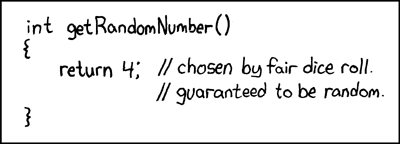
Astonishingly, the private keys were 4, 56, 66, 115, 155, 156, 230, 237.
exploiting compromised certificates requires an active adversary-in-the-middle attack, meaning the attacker must act as a proxy between two TLS parties and receive encrypted traffic, decrypt it, reencrypt it, and send it to the other party. Such capabilities, in some cases, are usually limited to only the most well-resourced attackers. People with control of a local network—at a coffee shop, university, or other organization—face much less of a challenge.
https://emudhra.we-have-a-problem.com/
I don’t think so about the post-facto decrypt. Keyexchange runs with the certs of the destination server. The cerst affected by the leak are intermediate certs which give trust to a cert chain AFAIK.
You’re absolutely right, I had shit all mixed up in my head. Oops 😅 thank you for the correction.