If our goal is the empowerment and greater freedom of people, mobile Linux appears to be a more feasible route to achieve those goals in the long term than AOSP.
It’s hard enough getting some companies to develop Android apps (not to mention the Android watch OS has barely anything) as much as I’d like to see a Linux phone OS catch on, unless there is some kind of Proton-layer for Android thing I just don’t see any companies making apps for it.
Android is already routinely emulated on PCs for purposes of development. As it’s open source, it’s certainly easier to develop a compatibility layer for it than for Windows (if such a thing doesn’t already exist).
We used to say the same thing about Windows. Then smartphones and tablets caught on and we saw: actually, we can port apps to new operating systems and develop new ones for them.


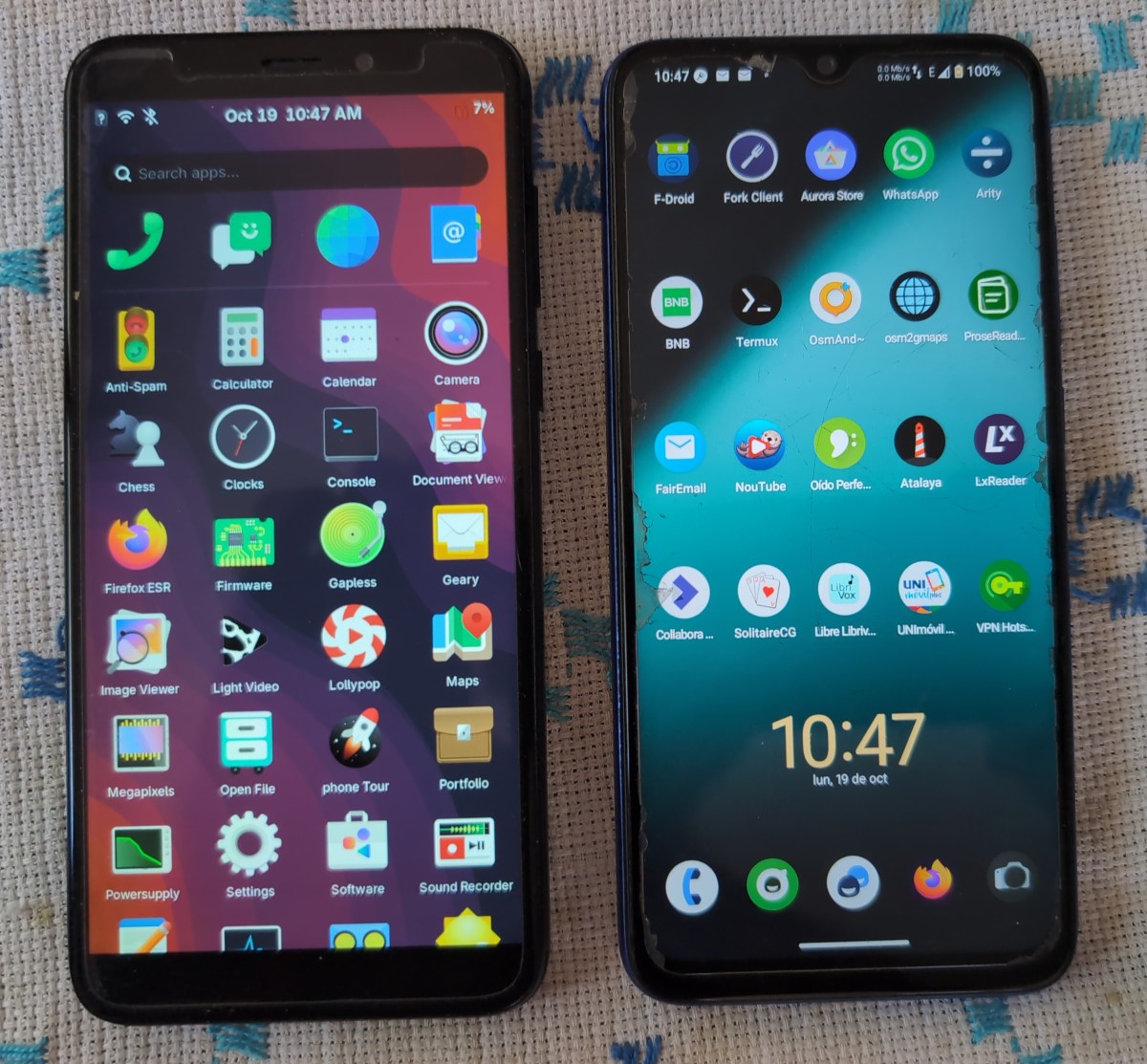
It’s hard enough getting some companies to develop Android apps (not to mention the Android watch OS has barely anything) as much as I’d like to see a Linux phone OS catch on, unless there is some kind of Proton-layer for Android thing I just don’t see any companies making apps for it.
Waydroid works fine on Linux phones which are powerful enough
Android is already routinely emulated on PCs for purposes of development. As it’s open source, it’s certainly easier to develop a compatibility layer for it than for Windows (if such a thing doesn’t already exist).
We used to say the same thing about Windows. Then smartphones and tablets caught on and we saw: actually, we can port apps to new operating systems and develop new ones for them.
ATL (Android Translation Layer) and Waydroid.