

2·
2 days agoWow, that’s an amazing compliment, glad you liked the article and that it began to sway you to the (older) handheld scene :)
Thank you!!!
I just play Steam Deck and write about gaming + Linux a lot
Wow, that’s an amazing compliment, glad you liked the article and that it began to sway you to the (older) handheld scene :)
Thank you!!!
Oh that’s excellent! I’m glad I could help!

From Buyee!
I actually wrote an article about that process and what you can expect (and do to get the best deal, in my eyes) on Buyee
You can read it here if you’re curious:
https://gardinerbryant.com/i-bought-a-junk-psp-from-japan-heres-how-it-went/
You knew exactly what I meant by my headline with this article. If you thought I literally meant every person alive then you’ve got a rough go ahead of you!
Sorry for your (PSP) loss :(
It was the design on the back battery cover. Technically Vader is the black part!

Time to update that firmware and get yourself some new tricks! I saw someone has ported Spotify (or some version of it) to the PSP a little while ago.
Definitely time for you to jump back into the PSP!
felt like a huge tech upgrade over the DS at the time
There’s a post somewhere on the internet comparing a racing game available on the DS and PSP, and the gap is HUGE between what they were both capable of. What that game was escapes me now, but it was an interesting time!
PS Vita and RG Vita…just because I can


And a PSA for anyone who has a terribly dead or spicy pillow battery, OSTENT make great batteries which do an even better job than the originals. I opt for the 1,400 mAh ones, which give you more capacity with the same size!

As far as hardware design goes, I think Sony just nailed it with this PSP
No better time than now to pick one up!
I went from being amazed that anyone would opt for native hardware for older gaming (I am a huge fan of retro handhelds!) to being amazed anyone would not want one. There’s something to be said about the original games on the PSP, it just feels ‘right’.
And they’re relatively inexpensive (if you buy from Japan) to get one in nice shape these days. I’ve got another on the way from Tokyo right now:


This is the second comment I’ve seen in here by you. Each of them gross. You’ve got yourself a ban now, but I did not make it permanent. Once the 30 days is up and you’re back in here, please have a think before you type. This is not the kind of shit anyone wants to read in this space.
Why does this only happen in one direction?

Gateeeping is strange people.
That’s the weird thing. Shouldn’t people be thrilled that someone shared their love of a console? The gatekeeping is just the weirdest part of all of this. The new (and thoroughly shitty thing) is everyone shouting about people ‘larping’. It was all over the Sony PSP communities I scroll through, over the last few months. Why should anyone care what someone else is doing with a console? If someone buys something to use occasionally and look nice on a shelf…why care?!

I swear if I roll my eyes more at people’s actions they’ll just roll on out of my head.
edit hah, laughing at the downvote. I know just the kind of person you are!
Picked up a dedicated audio device recently (with another few on the way!), and it feels nice to curate my own offline, add-free, algorithm-free listening experience. Having music myself his been half the fun of this, I won’t be using any streaming app going forward.
It is also super adorable:

Requiring Steam to be able to use the controller as a functional kit is a…well it is a decision. I’m not a controller person so it wasn’t ever on my radar at all, but I’m not a fan of that part of it.
I know you mean a Meshtastic style internet in general. But this is too fascinating to not share. Meshtastic is amazing:
I know it is just a headline, and it is a good one. But I still want to slip in here to say that RetroDECK was actually released for Steam Deck a few weeks before EmuDeck.
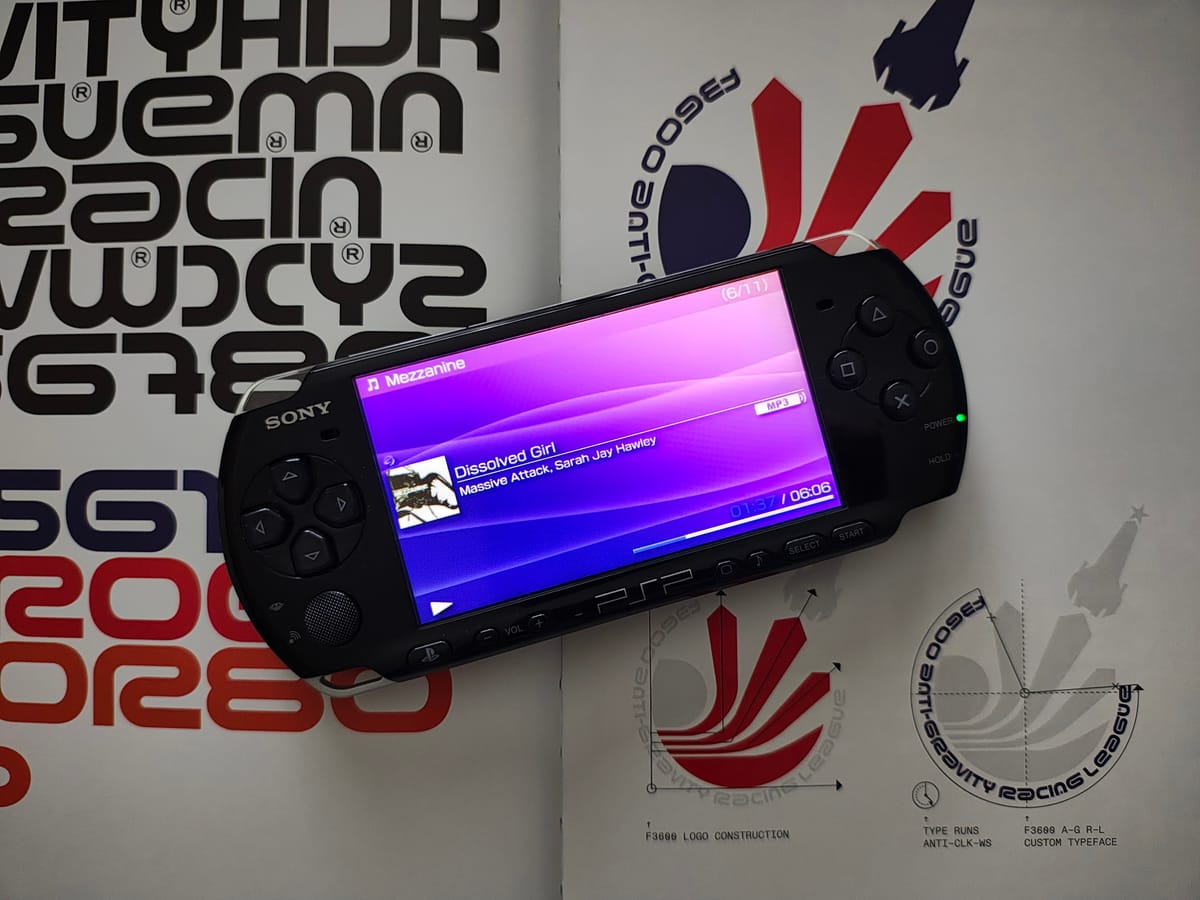
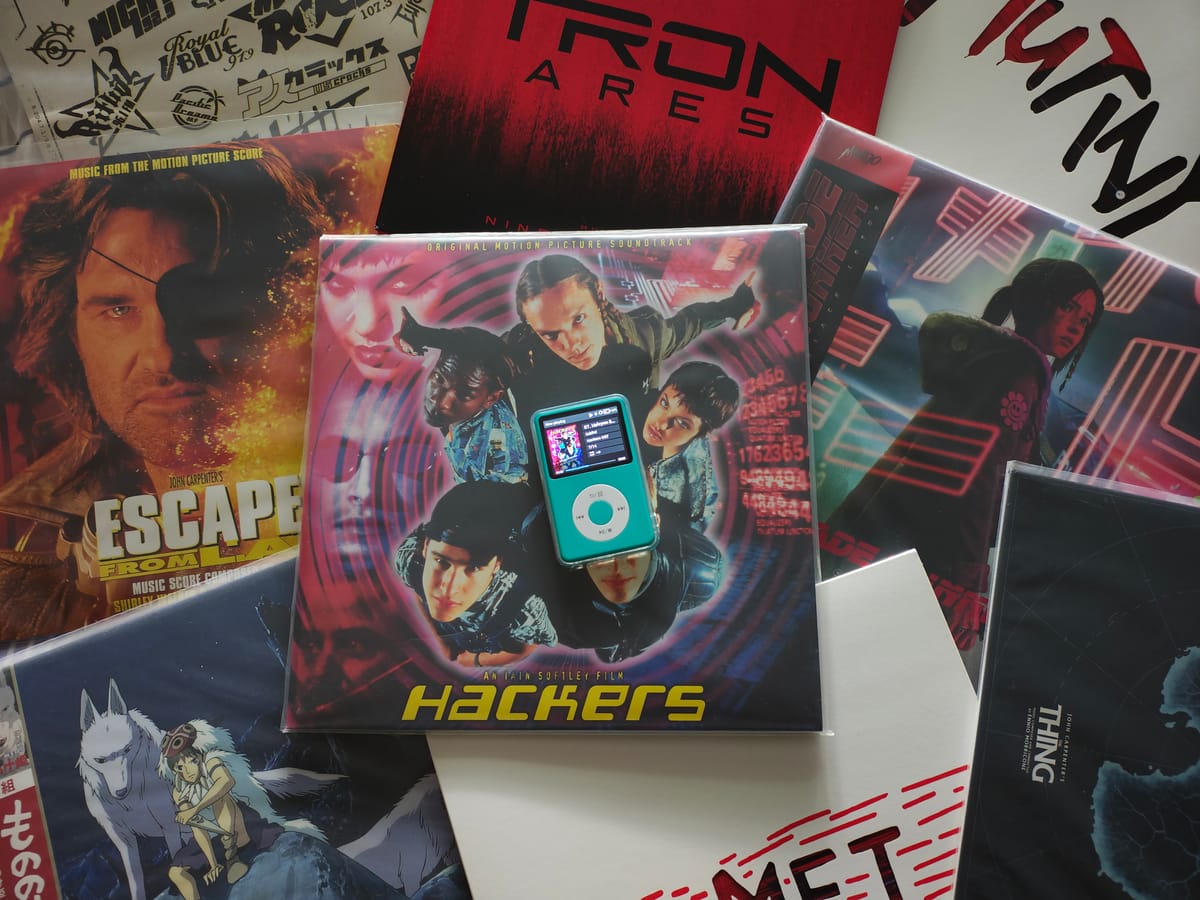


The word ‘junk’ on Buyee/Japan’s online marketplaces doesn’t mean what it does elsewhere. It can mean anything:
Junk absolutely doesn’t mean they’re broken! Listings tend to go into a little detail on what is wrong with the consoles :)
I’ve bought a TON of handheld consoles through Buyee. DSi’s (I got a great DSi LL in box with all the bits, barely used for $52 AUD), GBA SPs, I even got a launch Switch to jailbreak from Japan!
I actually wrote a article on a ‘junk’ PSP from Japan, you can read more on it here:
https://gardinerbryant.com/i-bought-a-junk-psp-from-japan-heres-how-it-went/