
QuentinCallaghan
- 191 Posts
- 180 Comments
Yes, it’s preferable.


 363·8 days ago
This is a big topic after all so there is no way one can just “move on”.
 2·9 days ago
I hear you! Seems that the community was set as NSFW so it isn’t visible for users who haven’t enabled NSFW content. Due to the community’s content it’s rather obvious why it was set as NSFW. It’s up to the community’s moderators to set the community as SFW if they want so. Even though I’m Sopuli’s admin, I can’t edit communities I don’t also moderate.
 48·24 days ago
And God forbid if someone uses archiving sites like archive.is!
 5·29 days ago
God dang it, apparently he has now stated how he is “going to dedicate more time for making music and reduce the amount of work”, so he’s not entirely retiring. I’d say to him “make up your mind!”
Can’t say anything about that, as I played the game on GameCube.
- Prince of Persia: The Sands of Time
- Prince of Persia: Warrior Within
- Prince of Persia: The Two Thrones
- James Bond: Everything or Nothing
Just finished the main story of Yakuza 0, now it’s time for all the side content.
There should be a memorial for victims of EA (all the studios they have acquired and then shut down), similarly to the Victims of Communism memorial.
Just finished Sekiro: Shadows Die Twice. Got it five years ago but got frustrated and uninstalled it. Then I played it on-off for some time. But after lots of tries I got the final boss killed. Yes, there is an option for New Game Plus but nope, time to play something else. Brilliant game, hard but rewarding.
Oh yes, that was from the times when any game that was a bit more difficult was compared to Dark Souls.
I remember vaguely my grandma playing that game.
 9·2 months ago
Generative AI has reached its peak after all.

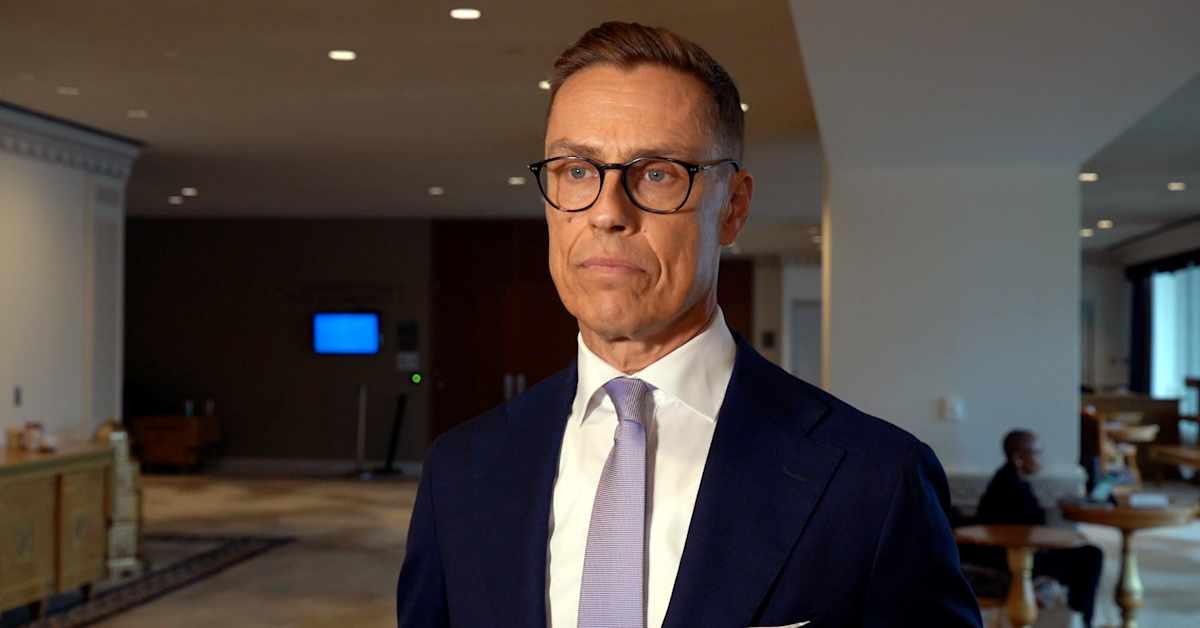
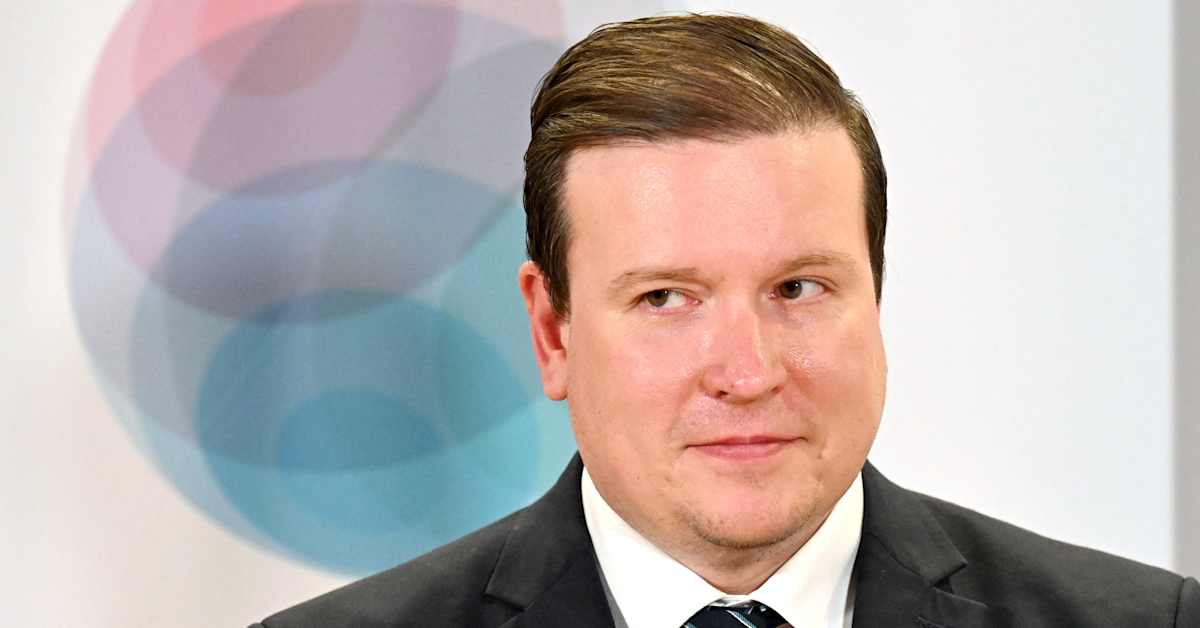
Giant ENEMY crab? Attack its weak point for massive damage!
 10·2 months ago
The Brownstone Institute is Tucker’s project to push pseudoscientific garbage that will ruin public health as we know it. The wording “COVID ideology” alone proves that.
And that way you have earned a ban!
Advanced, except I don’t smoke tobacco.
Same here in Finland. Never could have I imagined that it’s September and +26 outside!


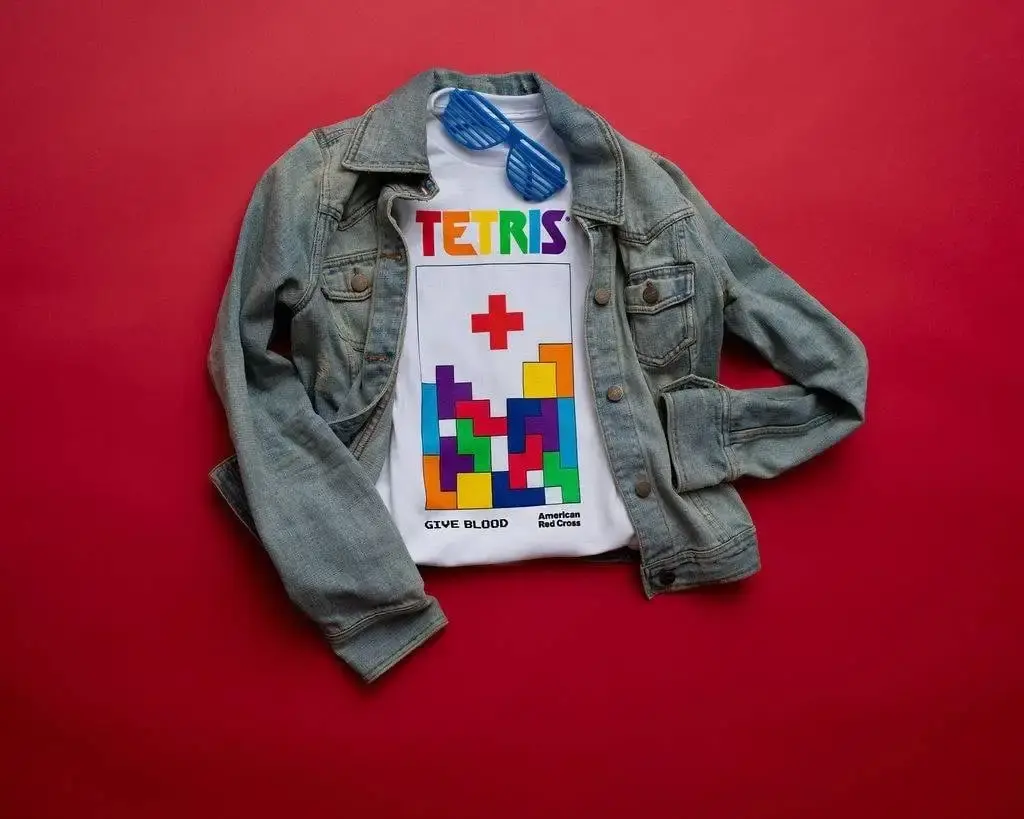




Hopefully many other news outlets around the world follow suit. I once emailed Yle, Finland’s state media outlet about how staying on Twitter doesn’t work and why Mastodon (and the Fediverse in general) would be the better option. Later they shut some of their Twitter accounts down… and continuing on other platforms such as TikTok.