

- cross-posted to:
- technology@lemmy.world
- cross-posted to:
- technology@lemmy.world
Research on the long-term impacts of short-form video consumption is still lacking, but recent studies show concerning associations with cognition and mental health.
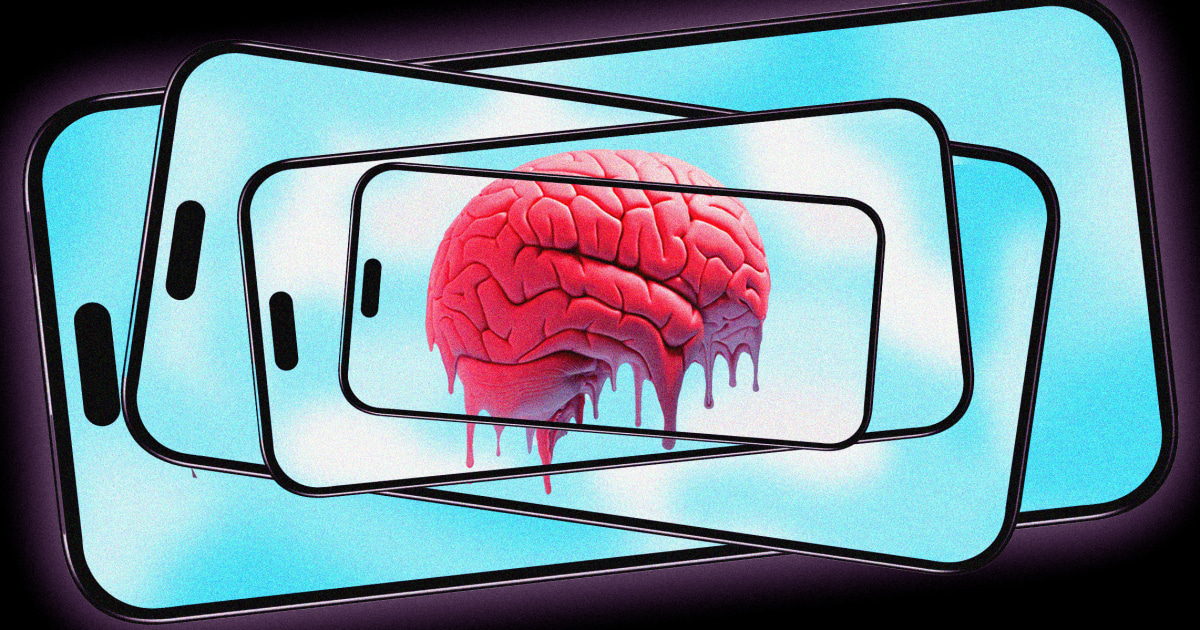
With short-form video now dominant on social media, researchers are racing to understand how the highly engaging, algorithm-driven format may be reshaping the brain.
From TikTok to Instagram Reels and YouTube Shorts, short-form video content has become a cornerstone of just about every online platform, including LinkedIn and even Substack. But increasingly, studies are finding associations between heavy consumption of short-form video and challenges with focus and self-control.
The research, though still early, seems to echo widespread concerns over “brain rot,” an internet slang term that the Oxford University Press defines as “the supposed deterioration of a person’s mental or intellectual state.” (The term became so mainstream that the academic publishing house crowned it as its 2024 word of the year.)
Yeah. This feels like people finding what they want to find. This is a meta analysis are not useful, at best it’s an indication there is a potential for a targeted study.
Everytime I’ve dug around these “smart phones are the end of the world” type of studies, I can find null hypothesis studies that used more controls.
Word