

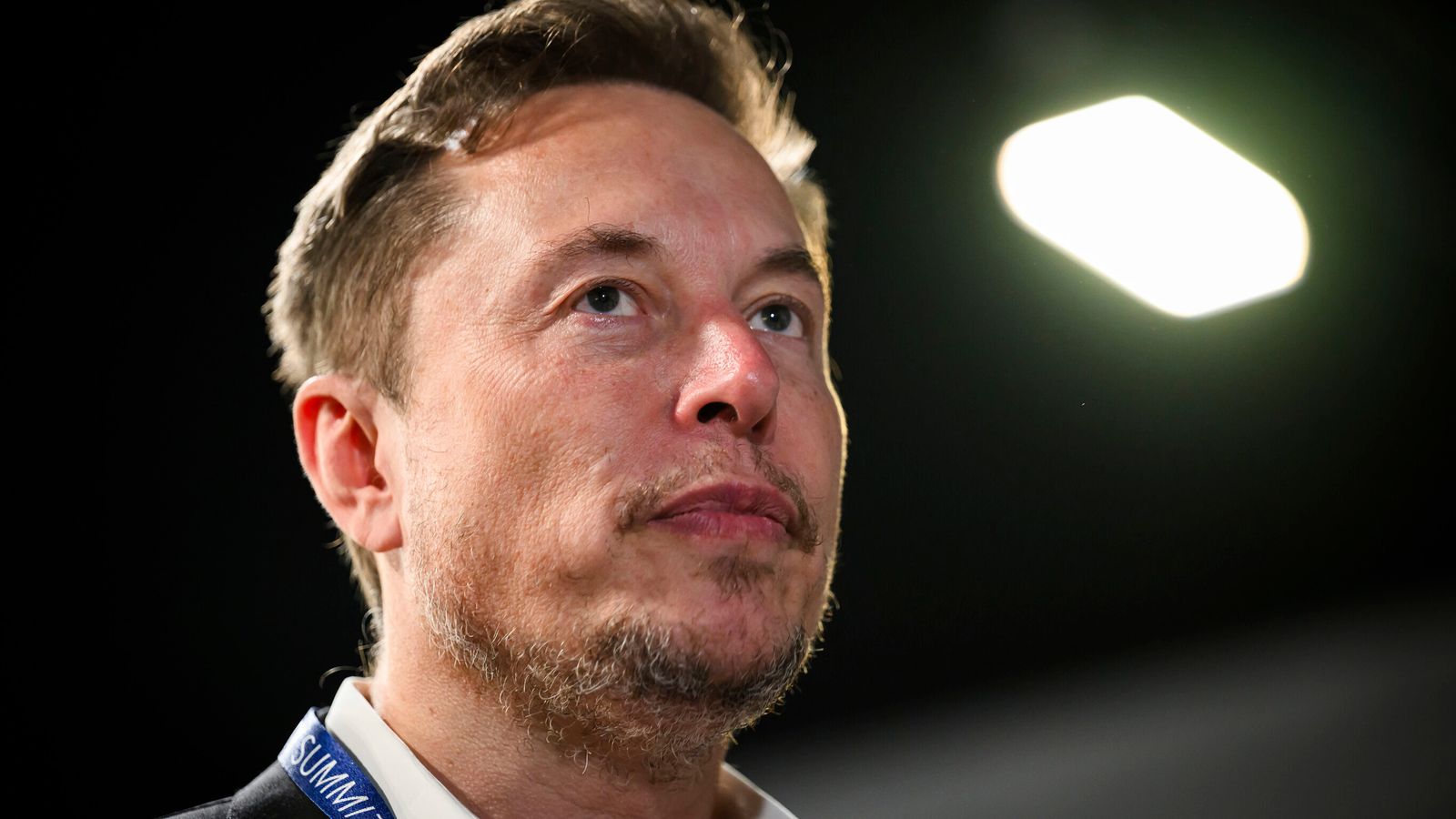
The US firm faced a difficult year with unease over chief executive Elon Musk’s political activities and stiff overseas competition.
The US firm faced a difficult year with unease over chief executive Elon Musk’s political activities and stiff overseas competition.
Glad to see Tesla is getting a good return on the $1 trillion pay package they gave Musk.
So dumb, they could save a trillion dollars and up there sales with one easy trick…
That’s not how it works…
They create new shares which dilutes everyone. The shareholders are paying Elon.
To get a trillion dollars they’d need to sell 68% of the company to someone else today, or over 10% of the company at the planned end goal of the compensation plan.
Giving that % of the company to someone else would have a real impact on how the company is run, and who even has that much money to buy into Tesla other than other bad large companies / private equity.
Edit: also, they’re flush with cash as it is already. They’ve claimed for years they can’t spend it any faster without being wasteful. They got somethings like 45b in the bank.
Which he hasn’t got and won’t get unless he reaches targets?
There’s so much misunderstanding about this… like people think he’s just going to get it all, but to get it all, the company would seriously need to execute well.
However.
I think its easily overlooked because of the big number if he gets it all which gets all the headlines, a lot of the earlier goals aren’t as hard to reach and still pay a very large amount, more than any other pay package as well.
Also, inflation over 10 years is going to really narrow the gap on any dollar based target. Selling another 11 million cars between now and then isn’t going to be hard either unless he tanks the company further. That goal should have been a high yearly output over X years, like 4mil/y for 3+ years.
And also, there’s so much misunderstanding about how he gets paid. It’s shareholder dilution. Tesla shareholders are paying him this if it gets it, and in exchange they get something like a 5.5x return before dilution. Still overpaying, but it’s an exchange between them.
I do wonder internally if they really think he’ll meet all the goals, or if it’s a smokescreen to get him the smaller tranches with less fuss because everyone is going on about the total number.
And so many people seem to forget another simple, yet easy to grasp thing:
Tesla must actually make reliable cars that people want and sell them at a price that enough people can afford.
Sounds easy, or at least the concept is simple. This is from a quantitative insights company’s outlook about TSLA:
According to the most recent financial reports and market analysis for January 2026, Tesla is indeed navigating a significant “correction” period. The company has transitioned from the explosive hyper-growth of 2021–2022 into a phase of margin compression, slowing vehicle demand, and a shifting regulatory environment. The following analysis tracks Tesla’s Adjusted EBITDA (the metric most preferred by analysts to gauge core operational health) and the specific factors driving the “trouble” narrative.
Tesla EBITDA Performance Analysis (2021–2025)
Analysis of the “Trouble” Narrative
While the absolute EBITDA remains high compared to most automakers, the quality of these earnings is under fire for three main reasons: