

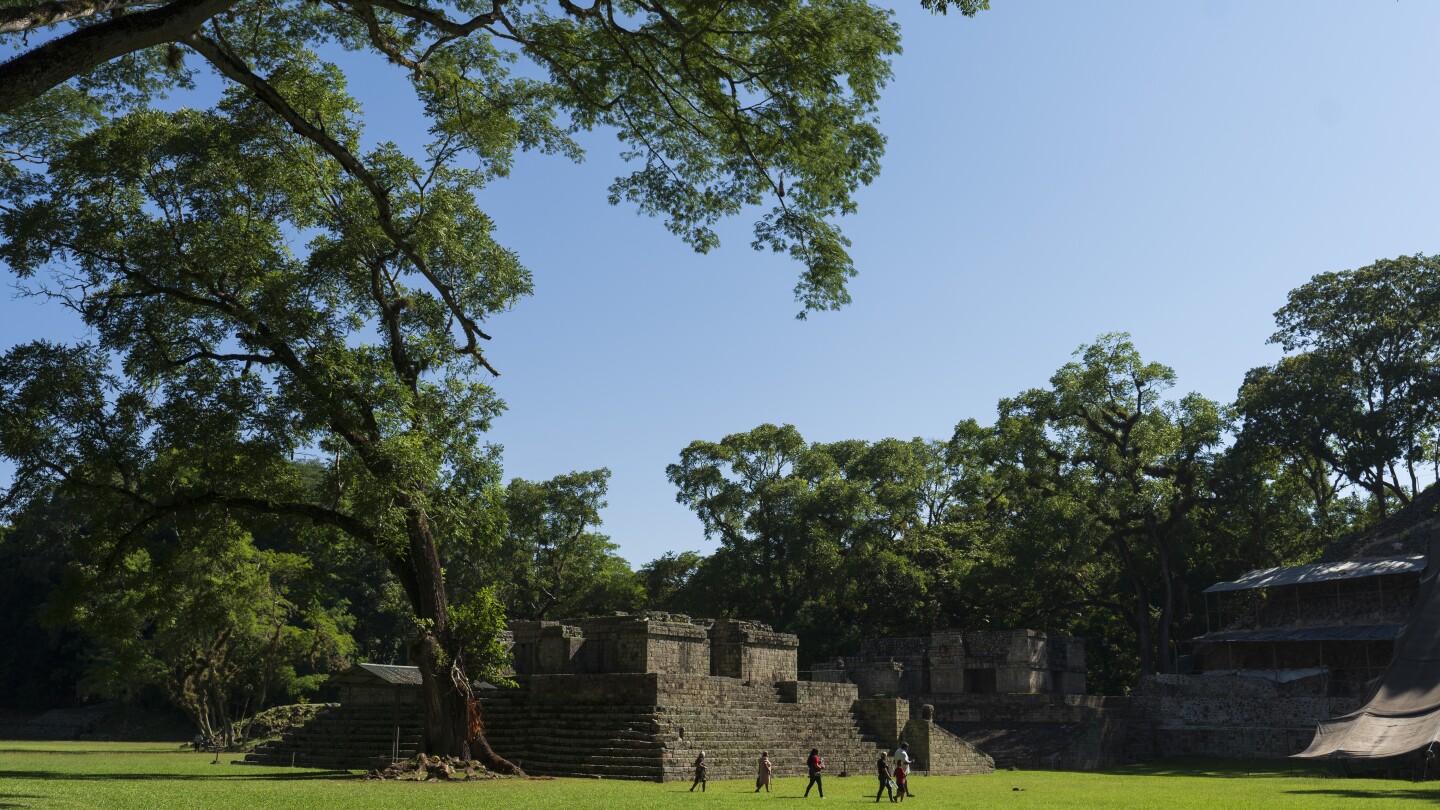
In the quest to build better for the future, some are looking for answers in the long-ago past.
Ancient builders across the world created structures that are still standing today, thousands of years later — from Roman engineers who poured thick concrete sea barriers, to Maya masons who crafted plaster sculptures to their gods, to Chinese builders who raised walls against invaders.
Yet scores of more recent structures are already staring down their expiration dates: The concrete that makes up much of our modern world has a lifespan of around 50 to 100 years.
They weren’t relying on the lowest bidder?
You made me literally laugh out loud.
Lowest bidder meant different things back then (citation needed)
Isn’t the big hint that they were built without a reliance on concrete. And are pyramids?
This just in, big blocks of stone are durable!
Just for clarification are you saying the Romans didn’t build with a reliance on concrete?
No. The idea that there was some sort of perfection going on with the Egyptian pyramids is nonsense. Here is the Great Pyramid up close.
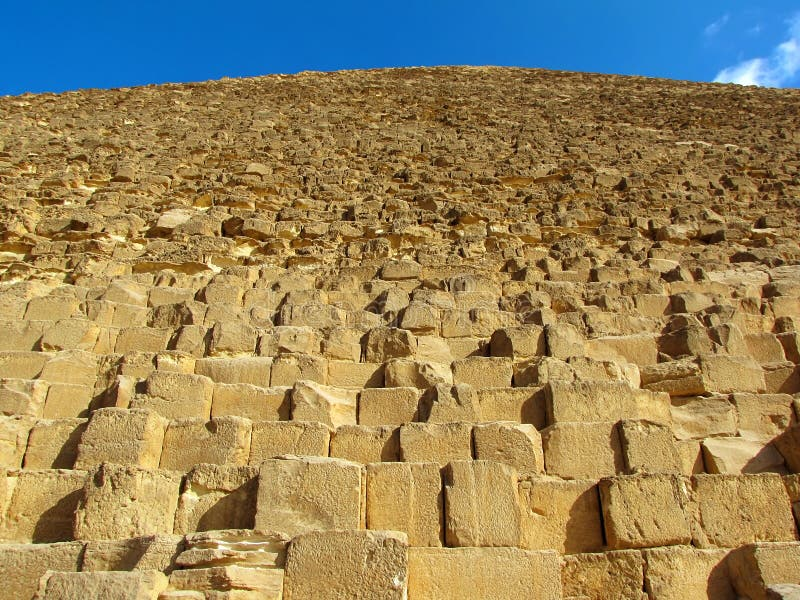
I thought the reason the pyramids looked like that was because of relatively recent looting the nicer stone on the surface and leaving the older stuff behind. Prior to the looting they looked pretty nice. And by relatively recent, I mean about a few hundred years ago during European colonialism.
Yes, they looked very nice on the outside. The inside was a mess. People seem to think every block was perfect.
They used bulk concrete and well fitted stone. Bulk concrete doesn’t really decay but is hard to build with, so we typically reinforce it with rebar. Rebar makes concrete much stronger and less brittle, but it also corrodes, and when the rebar fails, so does the reinforced concrete.
We could build things like the Romans did, but it would be more limited and expensive.
This exactly. No penny pinching and not going the easy route. Also majority of their buildings is not standing. Only expensive things are.
Also, it just takes a lot more mass to produce a structure out of bulk concrete, and you can’t build something like a high rise out of it.
There’s new developments in concrete reinforcement which have the potential to replace rebar and last longer, but they’re very new
It seems like we build with a 50 to 100 year lifespan in mind. If I’m wrong please correct me. I wish some of our infrastructure, bridges especially, could be built with a long lifespan in mind.
It’s an inherent problem with reinforced concrete. We couldn’t build the same structures without it, and it only lasts so long.
I thought they figured this out already, and it was a combination of the lime chunks allowing the concrete to heal, and also mixing it hot somehow made a difference.
I’ve heard lots of reasons. One was that the Romans used volcanic ash, which has some kind of special structure that maked it durable. I’ve also heard that it had to do with using salt water. Obviously not using rebar is important to longevity. The article talks about the lime chunks in the Roman section. I’m kind of a sucker for any article about Roman history though.
Well then, eat your heart out!
I read a good chunk of that and I’m not going to lie the chemistry part went right over my head. My new favorite phrase is “post-pozzolanic reactivity.”
This guy has an interesting video on the topic. https://youtu.be/qL0BB2PRY7k
I love practical engineering. I’ve watched other videos in that series but I never saw this one. Thanks!