what does that solve other than satisfying your own desire to be morally superior?
Couldn’t we reverse this question though and ask what not voting and feeling morally superior but getting Trump elected has solved?
Not voting doesn’t change the party. Showing up at primaries and ousting establishment candidates does. We have multiple examples of it working now and getting actual progressive politicians in place against the wishes of Democratic leadership that worked hard to see that they didn’t get elected.
I’m sorry but you really don’t understand principles at all if you don’t understand “I will never vote for somebody who supports mass murdering of childen”.
For people with genuine principles some things are red-lines and the Mathematics Of Pragmatism you so neatly display in your tale of how voters should be thinking don’t at all apply once a candidate is beyond such a Moral/Principle red line.
Some people will abstain from making a choice if all the options they have are sufficiently Evil, and I’m afraid such people have the Moral Highground versus any “pragmatist” who will think the Mathematics or Lesser Evil apply all the way down into the deepest Evil.
PS: I totally understand your point of view, I just don’t think you understand the point of view of a sub-section of people and pragmatics like you seem to be don’t really have a moral high ground to stand on and preach down to those whose strong principles which did not let them vote for a lesser evil are around people not being mass murdered.
PPS: By the way, the “logic” of chosing the lesser evil is mathematically a sub-optimal choice that tends to increase evil over time in a repeating choice like a presidential vote since the results of a cycle influence which candidates get put forward in the next cycle - it would be an optimal choice only if there was one and only one vote, deciding things forever, but that’s not the case in democratic elections.
I’m sorry but you really don’t understand principles at all if you don’t understand “I will never vote for somebody who supports mass murdering of childen”.
This is so shortsighted.
You can’t wave a magic wand and change the established order. One of two parties WILL control our federal government. You’re either making a decision to limit the amount of pain and suffering in the world by acting or you’re sitting in a corner crying about how unfair the world is. If you gave a shit at all about Palestinians but you didn’t vote or voted for a candidate that LITERALLY could not win and therefore could not do anything, then you chose to go cry in a corner instead of making a decision that would actually have an impact.
For people with genuine principles some things are red-lines
Congrats. Your personal red line caused more Palestinian pain and suffering than if you accepted the world doesn’t operate based on your red-lines and made the decision to help as much as you could.
Some people will abstain from making a choice if all the options they have are sufficiently Evil
And those people are selfish for not doing what they could within the boundaries they exist in.
You’re not even making a good logical case when you’re pitching pragmatism over principles.
For starters your claims of “caused more Palestinian pain and suffering” are based on what exact, concrete evidence that had the other child mass murder supporter who openly stated their “unwavering support” for Israel, the Israelis would have behaved differently? You don’t know, you can’t possibly know (because that’s the path not taken), hence you’re bullshitting.
Second point - even in the undemocratic electoral system in the US, elections aren’t a fucking Trolley Problem and can’t treated as one:
There isn’t any pure choice in the hands of a single person of “go one way or go the other”
Voters don’t actually know for sure what happens if they “pull the lever” or “don’t pull the level”.
It isn’t even a single instance where the decision is made and it’s done. Specifically the part were parties pitch presidential candidates is closer to a cyclical Ultimatum game - the parties put forwards their choice of candidate offering certain policies, voters approve in which case get those policies (kinda, it’s imperfect) and that party wins or they reject in which case they don’t get them and the party loses. The cyclical thing is what’s important here: it means that results in one election influence which candidate the party will put forward in the next election. This is the part which “curiously” those making the case for “choosing the lesser-evil” NEVER, EVER mention. Even in voting systems where it’s always the same two who win, parties will put forward better candidates if they’re heavily punished in elections - I know this because I’ve seen in happen here in Europe.
So your entire “logic” is flawed - a voter know for sure upfront if their vote will make a difference, they don’t know for sure what will happen if their chosen candidate wins AND them refusing to vote can actually have an impact, not in the current election but in subsequent elections, because it can influence parties to put forward more appealing candidates with more appealing policies.
I mean, it’s bad enough that you think pragmatism should beat any and all principles, but even your pragmatic argument is deceitful because it’s incomplete and anchored on unproven statements that you treat as certainties (what in mathematics is called an axiom).
If you’re going to pitch for pragmatism over principles at least make a logical case which is solid rather than parroting deceitful logically-sounding but not in fact logically sound political propaganda with it’s cherry picked elements and foundations made of unproven things stated as absolute truths.
There’s always a primary. Harris wasn’t selected by primary, but she was clearly - as his vice president - a firm continuation of Biden’s policies. People who voted Biden in the primary weren’t voting to change the party, which is what we’re talking about here; if you want to change the party you need to use the primaries to put actual left candidates on the ticket. That didn’t happen. Whether Harris or Biden was selected by the primary, neither were change candidates.
The primary where nobody except Biden actually ran.
This is exactly part of my criticism, though. Everybody is waiting for someone else to run. That’s why we’ve been stuck voting for the same candidates the party leadership approves of every year; what we’re witnessing now with people like Nixon and el-Sayed is that it’s always been possible to challenge them, but you’ve got to actually run to do it. AOC has mixed reception now, but when she was elected she was on a very progressive platform against a deeply established party candidate and won.
Those are not particularly groomed candidates. AOC was a fucking bartender for crying out loud.
My whole point is the left has, until recently, really sucked at using the primary process to change the party. We see now it’s worth doing. There shouldn’t be unchallenged party leadership picks anywhere, essentially.
There absolutely was a primary… the left didn’t utilize it.
That’s a fair criticism (though you’re overlooking how anger at Trump and disappointment in the Dem establishment contribute to help leftwing politics), but it’s also not the original point. You started out talking about not voting, which is what I was addressing. Not participating is a different conversation entirely, which someone better informed about the nitty gritty of American progressive organization than me should be having.
The conversation moved there though because you said there was no primary; there was, it’s just the left didn’t use it at all and then didn’t show up to the general because they didn’t like the uncontested candidate they chose (or his continuation).
My original point (aside from pointing out it was often the abstainers making moral superiority arguments) was that people who abstain from voting in the general with the idea that withholding their vote will change the party are going about it wrong. The primary is purpose built for this. Even if there was no other candidate in the primary, as in '24, not voting still isn’t going to motivate the party to change. They already did that with Clinton and the next candidate was Biden; while Biden was left of her in some ways, he was clearly another deeply established pick. I’d argue withholding the vote for Clinton did nothing to change the party. I think voting in people like Mamdani, Nixon, and el-Sayed has already done so.
I do understand the argument that allowing the mainstream to shoot themselves in the foot boosts left politics, but I think it’s so diffuse of an effect it isn’t worth taking things on the chin like losing abortion rights that come with that strategy when we have a process right there we can use that’s a lot more effective.


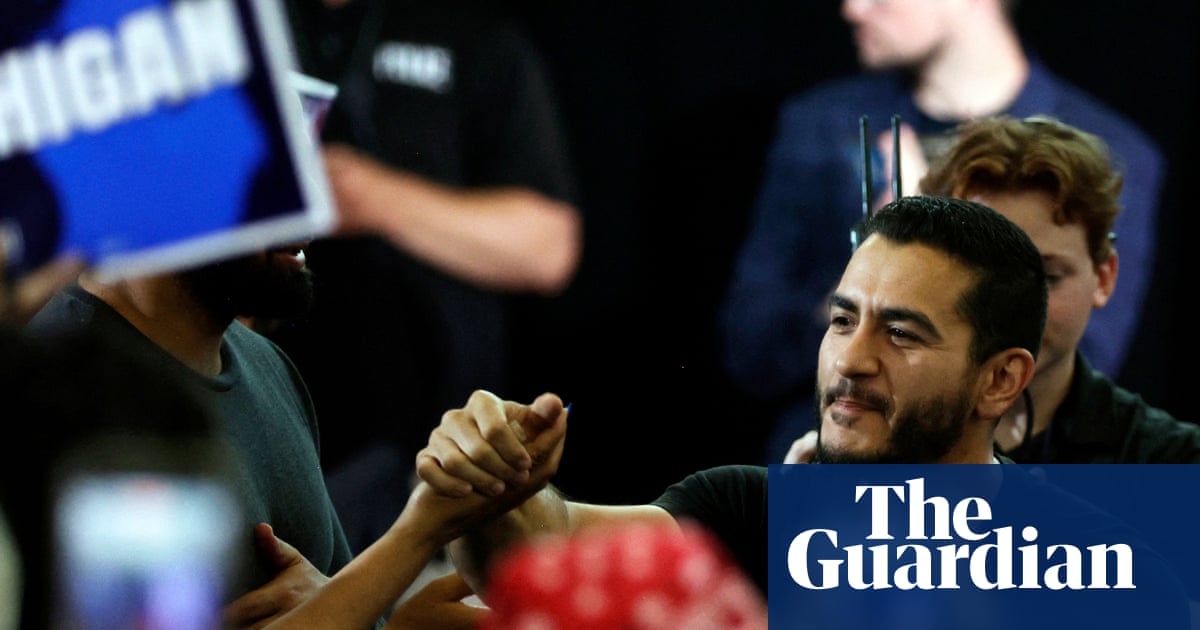
Couldn’t we reverse this question though and ask what not voting and feeling morally superior but getting Trump elected has solved?
Not voting doesn’t change the party. Showing up at primaries and ousting establishment candidates does. We have multiple examples of it working now and getting actual progressive politicians in place against the wishes of Democratic leadership that worked hard to see that they didn’t get elected.
I’m sorry but you really don’t understand principles at all if you don’t understand “I will never vote for somebody who supports mass murdering of childen”.
For people with genuine principles some things are red-lines and the Mathematics Of Pragmatism you so neatly display in your tale of how voters should be thinking don’t at all apply once a candidate is beyond such a Moral/Principle red line.
Some people will abstain from making a choice if all the options they have are sufficiently Evil, and I’m afraid such people have the Moral Highground versus any “pragmatist” who will think the Mathematics or Lesser Evil apply all the way down into the deepest Evil.
PS: I totally understand your point of view, I just don’t think you understand the point of view of a sub-section of people and pragmatics like you seem to be don’t really have a moral high ground to stand on and preach down to those whose strong principles which did not let them vote for a lesser evil are around people not being mass murdered.
PPS: By the way, the “logic” of chosing the lesser evil is mathematically a sub-optimal choice that tends to increase evil over time in a repeating choice like a presidential vote since the results of a cycle influence which candidates get put forward in the next cycle - it would be an optimal choice only if there was one and only one vote, deciding things forever, but that’s not the case in democratic elections.
This is so shortsighted.
You can’t wave a magic wand and change the established order. One of two parties WILL control our federal government. You’re either making a decision to limit the amount of pain and suffering in the world by acting or you’re sitting in a corner crying about how unfair the world is. If you gave a shit at all about Palestinians but you didn’t vote or voted for a candidate that LITERALLY could not win and therefore could not do anything, then you chose to go cry in a corner instead of making a decision that would actually have an impact.
Congrats. Your personal red line caused more Palestinian pain and suffering than if you accepted the world doesn’t operate based on your red-lines and made the decision to help as much as you could.
And those people are selfish for not doing what they could within the boundaries they exist in.
You’re not even making a good logical case when you’re pitching pragmatism over principles.
For starters your claims of “caused more Palestinian pain and suffering” are based on what exact, concrete evidence that had the other child mass murder supporter who openly stated their “unwavering support” for Israel, the Israelis would have behaved differently? You don’t know, you can’t possibly know (because that’s the path not taken), hence you’re bullshitting.
Second point - even in the undemocratic electoral system in the US, elections aren’t a fucking Trolley Problem and can’t treated as one:
So your entire “logic” is flawed - a voter know for sure upfront if their vote will make a difference, they don’t know for sure what will happen if their chosen candidate wins AND them refusing to vote can actually have an impact, not in the current election but in subsequent elections, because it can influence parties to put forward more appealing candidates with more appealing policies.
I mean, it’s bad enough that you think pragmatism should beat any and all principles, but even your pragmatic argument is deceitful because it’s incomplete and anchored on unproven statements that you treat as certainties (what in mathematics is called an axiom).
If you’re going to pitch for pragmatism over principles at least make a logical case which is solid rather than parroting deceitful logically-sounding but not in fact logically sound political propaganda with it’s cherry picked elements and foundations made of unproven things stated as absolute truths.
There was no primary in 2024 though. I’m not sure who you’re arguing with here.
There’s always a primary. Harris wasn’t selected by primary, but she was clearly - as his vice president - a firm continuation of Biden’s policies. People who voted Biden in the primary weren’t voting to change the party, which is what we’re talking about here; if you want to change the party you need to use the primaries to put actual left candidates on the ticket. That didn’t happen. Whether Harris or Biden was selected by the primary, neither were change candidates.
The primary where nobody except Biden actually ran. For all intents and purposes, there was no presidential primary in 2024.
This is exactly part of my criticism, though. Everybody is waiting for someone else to run. That’s why we’ve been stuck voting for the same candidates the party leadership approves of every year; what we’re witnessing now with people like Nixon and el-Sayed is that it’s always been possible to challenge them, but you’ve got to actually run to do it. AOC has mixed reception now, but when she was elected she was on a very progressive platform against a deeply established party candidate and won.
Those are not particularly groomed candidates. AOC was a fucking bartender for crying out loud.
My whole point is the left has, until recently, really sucked at using the primary process to change the party. We see now it’s worth doing. There shouldn’t be unchallenged party leadership picks anywhere, essentially.
There absolutely was a primary… the left didn’t utilize it.
That’s a fair criticism (though you’re overlooking how anger at Trump and disappointment in the Dem establishment contribute to help leftwing politics), but it’s also not the original point. You started out talking about not voting, which is what I was addressing. Not participating is a different conversation entirely, which someone better informed about the nitty gritty of American progressive organization than me should be having.
The conversation moved there though because you said there was no primary; there was, it’s just the left didn’t use it at all and then didn’t show up to the general because they didn’t like the uncontested candidate they chose (or his continuation).
My original point (aside from pointing out it was often the abstainers making moral superiority arguments) was that people who abstain from voting in the general with the idea that withholding their vote will change the party are going about it wrong. The primary is purpose built for this. Even if there was no other candidate in the primary, as in '24, not voting still isn’t going to motivate the party to change. They already did that with Clinton and the next candidate was Biden; while Biden was left of her in some ways, he was clearly another deeply established pick. I’d argue withholding the vote for Clinton did nothing to change the party. I think voting in people like Mamdani, Nixon, and el-Sayed has already done so.
I do understand the argument that allowing the mainstream to shoot themselves in the foot boosts left politics, but I think it’s so diffuse of an effect it isn’t worth taking things on the chin like losing abortion rights that come with that strategy when we have a process right there we can use that’s a lot more effective.