

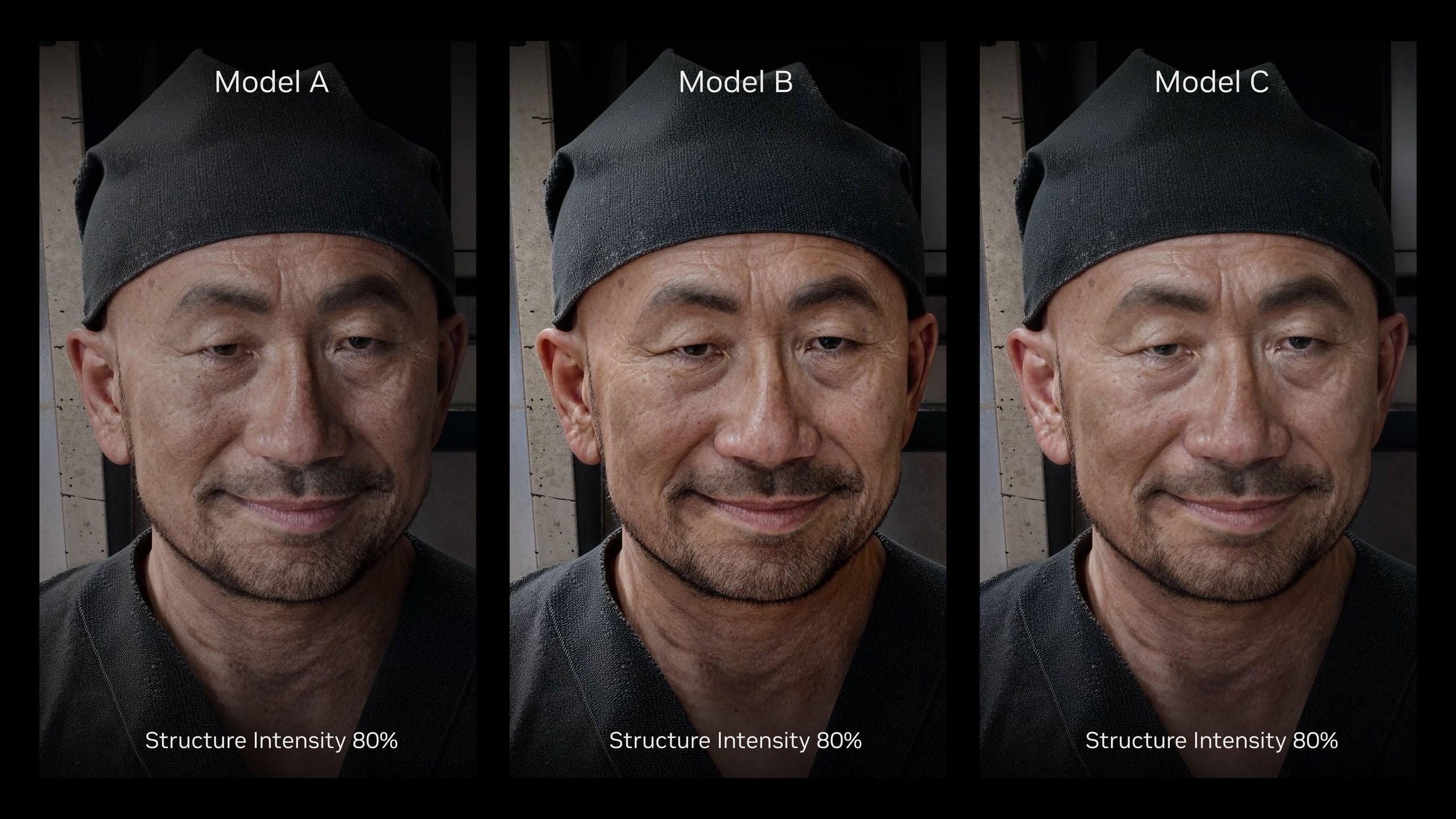
The very bad news is, Nvidia says turning DLSS 5 on will currently reduce performance by 50-60%. And that’s across the board—no matter the game.
The very bad news is, Nvidia says turning DLSS 5 on will currently reduce performance by 50-60%. And that’s across the board—no matter the game.
While I don’t disagree that frame gen at high refresh rates does look pretty decent, I feel the need to correct the input latency part… In your 72fps example you actually have the latency of effectively 36fps because the GPU has to hold back a frame in order to have two frames to interpolate between. It doesn’t (currently?) do extrapolation so this holding back a frame is a hard limit and applies pretty much equally from 2x frame gen all the way up to 6x. This isn’t exactly catastrophic for single player or PVE multiplayer but I would steer clear in PVP
Nvidia reflex 2 should sorta kinda tackle this by taking the updated input => camera position and reprojecting the image before rendering but 1) this will require the game to support it (e.g. declaring UI, crosshairs etc to exclude) and 2) only serves to tackle the game feel portion of the problem - in pve you’ll still be working with old pixels and your response times will still suffer accordingly.
Again, great tech but worth knowing the limits!
Okay, thank you for describing that, I drew a couple charts to help me think through the situation. The lettered frames represent the image sitting on the gpu. It’s called B1 because it’s a frame that needs to be interpolated from frame B, so frame B needs to be rendered first before interpolation can occur. The numbers represent units of time, so in the first chart at time unit 2 Frame A is being displayed on the screen while Frame B is being rendered by the card.
The first chart I drew I made an assumption that the interpolation is basically free due to my understanding that the DLSS functions use specialized cores that could be running in tandem with the rendering of frame B. Then I realized that was an assumption and went over it again assuming frame B needed to be fully rendered and so interpolation would need to take a unit of time before displaying.
I think this illustrates what you’re saying.