The entire point of them was to be a cheap, open, educational computer for kids. Even the hobbyist/homelab use-case lost the plot, let alone the commercial bullshit they’re targeting these days!
honestly I would argue that is the same plot(or at least overlapping). Low end systems would be an entry level use case for sysadmin and network design. that’s how I got started, I had an RPI that I used as a DNS, file backup and a chat bot I ran, learned a lot from the experience. But I can see how it could be taken into the commercial field as well.
I’ll admit that being a cheap way for adults to learn is plot-adjacent. But at its core, Raspberry Pi was intended to be the spiritual successor of stuff like the BBC Micro, Alan Kay’s KiddieComp/Dynabook, and OLPC.
(The shared purpose and British heritage of the BBC Micro is part of why the Raspberry Pi people picked ARM instead of x86, by the way.)


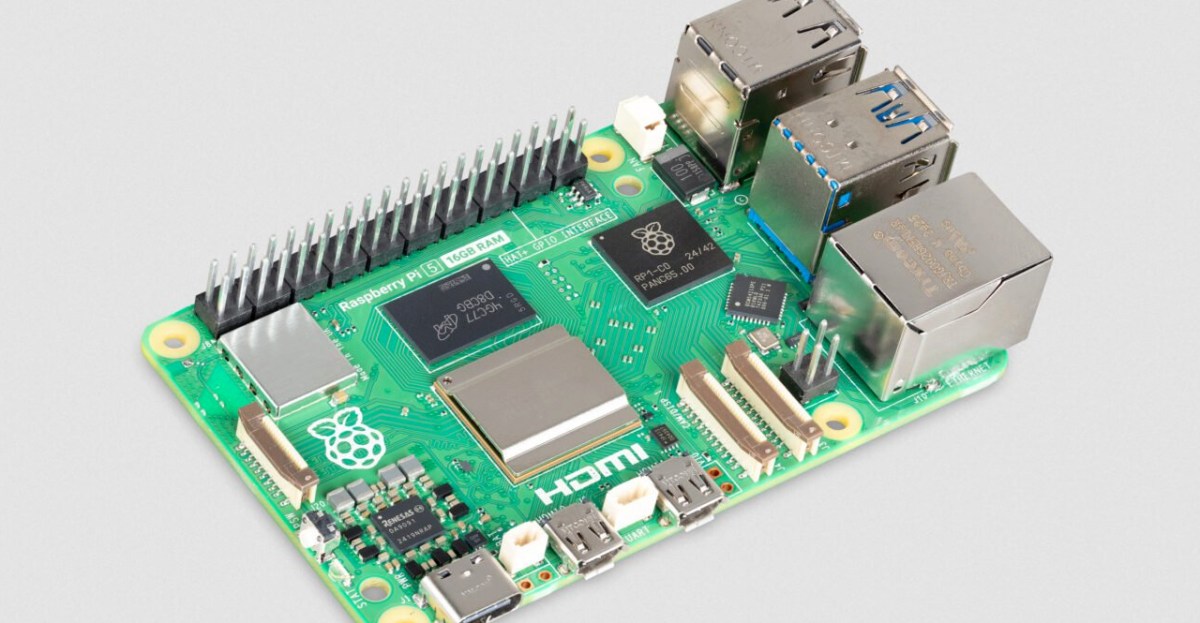
The entire point of them was to be a cheap, open, educational computer for kids. Even the hobbyist/homelab use-case lost the plot, let alone the commercial bullshit they’re targeting these days!
honestly I would argue that is the same plot(or at least overlapping). Low end systems would be an entry level use case for sysadmin and network design. that’s how I got started, I had an RPI that I used as a DNS, file backup and a chat bot I ran, learned a lot from the experience. But I can see how it could be taken into the commercial field as well.
I’ll admit that being a cheap way for adults to learn is plot-adjacent. But at its core, Raspberry Pi was intended to be the spiritual successor of stuff like the BBC Micro, Alan Kay’s KiddieComp/Dynabook, and OLPC.
(The shared purpose and British heritage of the BBC Micro is part of why the Raspberry Pi people picked ARM instead of x86, by the way.)